
Retiring Mailchimp
The original site collected newsletter subscriptions. The demo now shows that experience without accepting or storing visitor email addresses.
01 / INDEPENDENT CLIENT WORK
My first independent client website — and a project I've recently revisited.

Simply Amish Edmonton was a brick-and-mortar furniture store specializing in Amish-made furniture.
When I started working with the owner, the store already had a website provided through Simply Amish. It was essentially a copy of the main company's website, and it felt slow and bulky. The owner wanted something more focused on his Edmonton store.
He wasn't looking for a complicated site with dozens of pages. The priority was a straightforward landing page that introduced the business, made its location and contact details easy to find, and encouraged newsletter signups through a special welcome promotion.
A clearer landing page, easy-to-find store details, and a newsletter signup tied to the welcome offer.
The owner provided an example website to help communicate the direction he had in mind. I used that as a starting point, then designed and developed the site myself.
We reviewed the layout as the work progressed. Some feedback was about where elements sat on the page; other changes involved the fonts. I kept adjusting things until the design felt right to him.
That process stuck with me. I could build something that looked good to me, but the point was to make a website that represented someone else's business.
I chose WordPress because it gave me a practical way to build the website while using plugins for functionality I didn't need to develop from scratch.
I created a custom theme with PHP templates, HTML and CSS. I handled the page layout and styling, while WordPress provided the structure for the site and its additional features. Mailchimp was used for newsletter subscriptions and Popup Maker for the promotion.
It was a useful balance: write the front-end myself, but use established tools when that made more sense than building an entire email system.
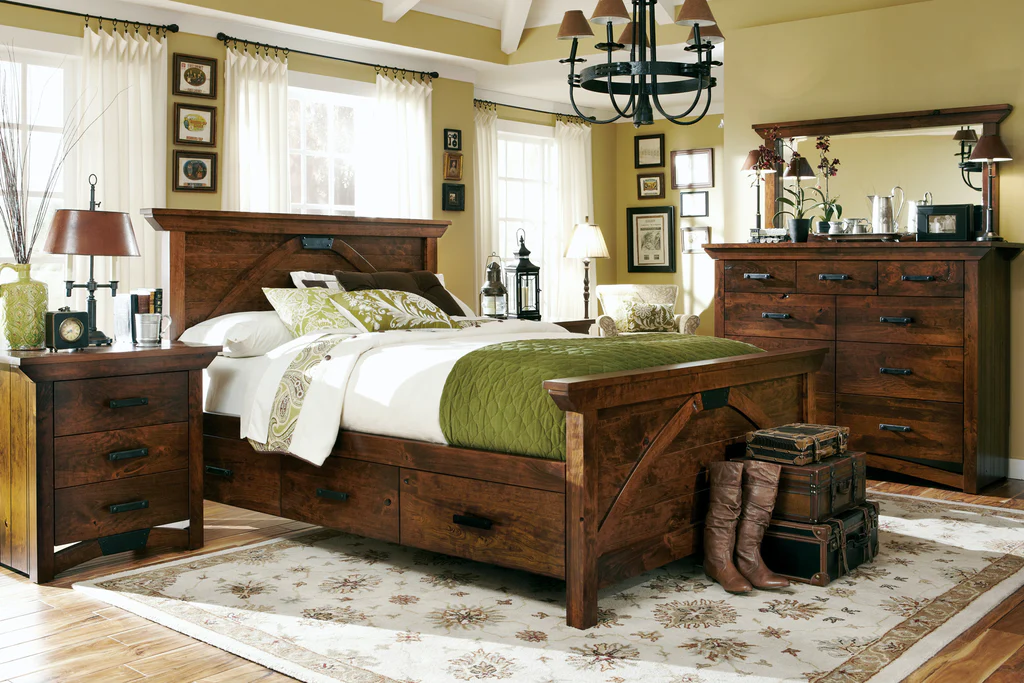
By the end of the project, I'd built the landing page and newsletter experience the owner had asked for. The design had gone through several rounds of feedback, and the finished appearance matched what he wanted.
The thing I was happiest with was the design. More importantly, the client was happy with the result.
I don't have reliable numbers for traffic, sales or signups, so I wouldn't claim improvements I can't measure. What I can speak to is the work itself and what it taught me about delivering a website for someone else.
The furniture store has since closed, but I wanted to preserve the website as part of my portfolio. Rather than leaving the original integrations running, I've been revisiting the custom theme and adapting it into a historical demonstration.
The original site collected newsletter subscriptions. The demo now shows that experience without accepting or storing visitor email addresses.
I reinstalled Popup Maker and configured the demonstration as a lightbox, preserving the kind of promotional popup the original client had requested.
I reviewed the PHP templates and asset references, corrected duplicate header loading and removed outdated tracking integrations while retaining the original furniture-store design.
The site now explains that the store is closed and uses fictional contact details and a fictional store manager with a generated portrait.
The current demonstration reflects a later maintenance pass, including assisted code review and updates; it is not identical to what was originally delivered to the client.
Simply Amish gave me experience in more than designing and coding a website. I had to listen to a client, work through design feedback, integrate outside services and troubleshoot when things didn't cooperate.
Coming back to it has been another kind of learning experience. I can see what I'd approach differently now, while still appreciating the work I did then.
That's one of the things I enjoy about development: there's always something else to understand.
The linked site is a historical portfolio demo. The business is closed, its contact details are fictional, and newsletter subscriptions are disabled.